Pages

Tuesday, 4 August 2015

Cadbury Creamy Chocolate Eggs

Cadbury Creamy Chocolate Eggs

LI: Write an advertisement critique writing ethos pathos logos

The advertisement was made in 1985.
The writer from the advertisement use this phrase “Do Get Caught!”, and repeated throughout the ad.  This writer has used the little girl that she can be an angel so that the will make the audience feel that the little girl is innocent and sweet.  The writer has described to me about what’s inside the egg and what it taste like. The writer tells facts about the Creme Chocolate and showed the Creme Chocolate.

The Advertisement <<<<< Click Here

Cadbury Creme Chocolate

LI: Analyse text to identify examples of ethos, pathos and logos.
The Persuasive Reading Analysis: Cadbury Cream Chocolate
Take another look at the persuasive piece of reading/ writing.
What strategies does the author use to try to persuade you?
Below are strategies writers often use for this form of writing.  Read through each
strategy and decide whether the author used that strategy by writing yes or no in the second column. If you write yes, then explain how the author used that strategy.
Persuasive strategy
Yes / No
How the author used it?
Claim – States the main  
point or stance
Yes
The statement from the advertisement use this phrase “Do Get Caught!”, and repeated throughout the ad.
Big Names –  Mentions experts and
important people to support the argument
No

Ethos – Tries to build trust and credibility
Yes
This writer has used the little girl that she can be an angel so that the will make the audience feel that the little girl is innocent and sweet.
Pathos – Appeals to the audience’s emotions
Yes
The writer has described to me about what’s inside the egg and what it taste like.                                                 
Logos – Uses logic, numbers, or  facts to support the argument

Yes
The writer tells facts about the Creme Chocolate and showed the Creme Chocolate.
Kairos – Builds a sense of urgency  for the cause
No

Research – Uses studies and  
information to make the  
argument seem more convincing;  this can be in the form of words, graphs, tables, or illustrations.
No


Dinosaur in my background

LI: Write a persuasive piece of writing using Ethos, Pathos and Logos.

Imagine you woke up and saw a dinosaur in your backyard. Should you keep it or give it to a zoo? Why?

I think I shall give it to a zoo that has strong boundaries. Dinosaurs are very dangerous,

strong and unstable to be kept. Also dinosaurs can invade a city and destroy it. Dinosaurs like T-Rex and Stegosaurus can wreck biggest infrastructure there is. It is not safe to keep a dinosaurs at your house or something that is dangerous. So that's why I want to give it to the zoo keepers because they will take care of it and do something with it.

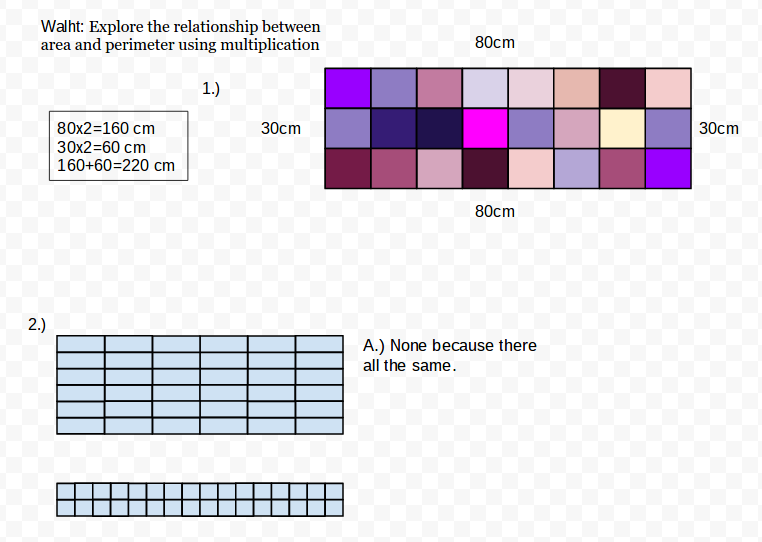
Square Skills

Screenshot 2015-08-04 at 10.46.04.png
The task was to try figure out the measurement of the square and the binding.

Monday, 3 August 2015

Ari And The Pizza

LI:  Analyse text to identify Ethos, Pathos and Logos.
Persuasive Reading Analysis: Ari and the pizza
Take another look at the persuasive piece of reading/ writing.
What strategies does the author use to try to persuade you?
Below are strategies writers often use for this form of writing.  Read through each
strategy and decide whether the author used that strategy by writing yes or no in the second column. If you write yes, then explain how the author used that strategy.
Persuasive strategy
Yes / No
How the author used it?
Claim – States the main  
point or stance
No
Ari says, Pizza’s are healthy!
Big Names –  Mentions experts and
important people to support the argument
No

Logos – Uses logic, numbers, or  
facts to support the argument
Yes
Ari said “All the food groups are in pizza”. Ari tells good facts about pizza, which shows that he has researched it.
Pathos – Appeals to the audience’s emotions
Yes
He told his mother that he loves pizza. He also knows that his mother is really tired and couldn’t cook so he told her to buy pizza.                                                                     
Ethos – Tries to build trust and
credibility
Yes
Ari knows that his mum is really tired and she couldn’t cook so he convince his mother to buy pizza. He also has a coupon and he is fair to his mother.
Kairos – Builds a sense of urgency  
for the cause
No

Research – Uses studies and  
information to make the  
argument seem more convincing;  
this can be in the form of words,
graphs, tables, or illustrations
Yes
Ari researched about the pizza and decided to convince his mother to buy pizza.

2 Timothy 4:6-7

LI: Use the steps of Lectio Divina to reflect on scripture

Ko te Ratu 2 o te Hongongoi teni ra

This morning scripture from 2 Timothy 4:6-8 was about how we can live our lives. Paul was in person and very lonely he missed Timothy and his friends. Paul was grateful that he had live a full life. He thought this life was about to end. Indications are they he was strong in faith.

The word faith tells me that I have to care about the people that I love and what I respect also to the people that are very important to me and everybody. Also it means to me that I had to thank the people for what have they done for me because they me and care about me.

Two of a Kind

LI: Identify ethos pathos and logos
Persuasive Reading Analysis:
Take another look at the persuasive piece of reading/ writing.
What strategies does the author use to try to persuade you?
Below are strategies writers often use for this form of writing.  Read through each
strategy and decide whether the author used that strategy by writing yes or no in the second column. If you write yes, then explain how the author used that strategy.
Persuasive strategy
Yes / No
How the author used it?
Claim – States the main  
point or stance
Yes
The first part of the clip offers with a single perspective that ants are worthless and useless to the world
Big Names –  Mentions experts and
important people to support the argument
No
There were no mentioning of any major or famous names in this clip.
Logos – Uses logic, numbers, or  
facts to support the argument
Yes
The Ant presents a number of facts about why she should not be squashed. “We take chips because one whole chip can feed a whole colony”

The boy argues with the ant and gives more facts as to why he should squash the ant.
Pathos – Appeals to the audience’s emotions
Yes
The Boy bullies the ant and threatens to squash it. The ant was helpless and thought the boy was intimidating.                                                                              
Ethos – Tries to build trust and
credibility
No

Kairos – Builds a sense of urgency  
for the cause
No

Research – Uses studies and  
information to make the  
argument seem more convincing;  
this can be in the form of words,
graphs, tables, or illustrations
Yes
The boy tells facts about ants and what they do.